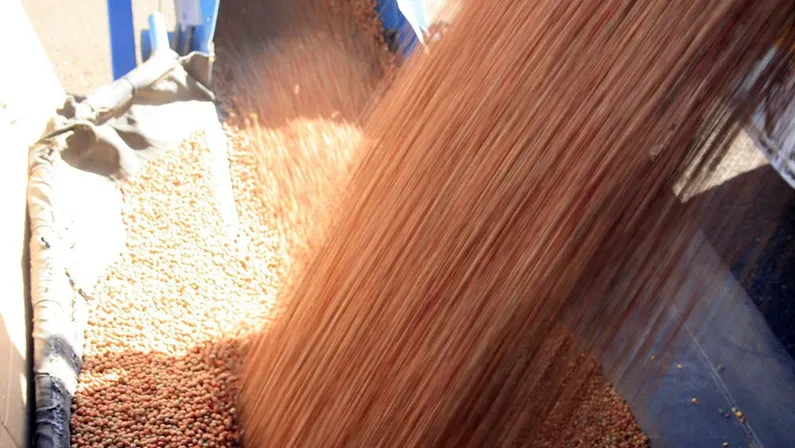
What are the advantages of Cultivating Pulses?
Discover the benefits of growing and consuming pulses, such as nutritional value, environmental sustainability, and soil health.
What are Pulses?
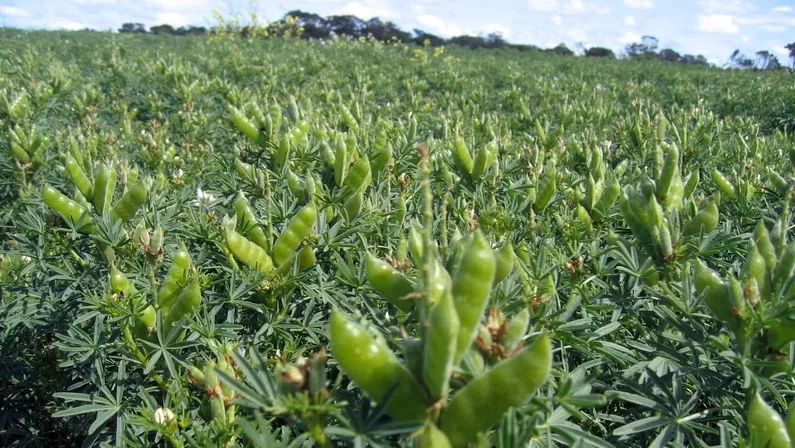
Pulses is the generic name given to chickpeas, beans, peas, lentils as well as kidney beans, mung beans, soybeans, peanuts, garden peas and broad beans. Pulses are legumes; plants that house their seeds in pods.
Pulses have made a significant contribution to the diets of many diverse cultures around the world for thousands of years. They are readily available at supermarkets, and are surprisingly inexpensive, with costs comparing to other staples, such as rice and pasta.
Why Grow Pulses?
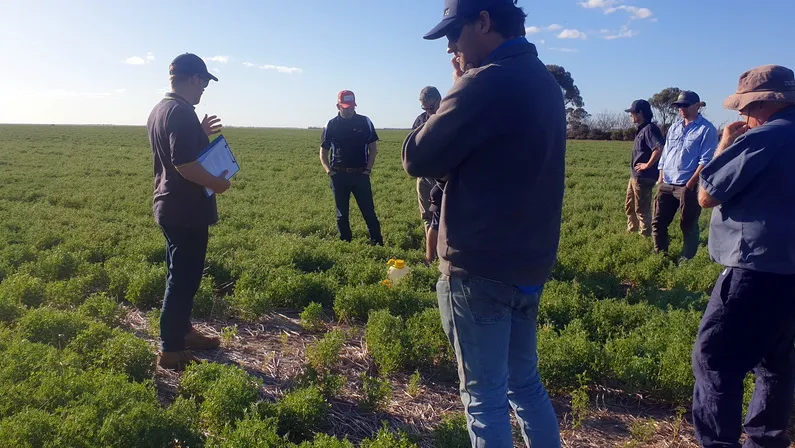
Pulses are a valuable ‘break crop’ in cropping systems, as well as becoming a high value crop in their own right. Pulses are included in rotations due to their ability to fix nitrogen in the soil as well as provide a disease and weed break for any traditional crops grown.
Pulse Production in Australia
Australia produces on average 2.2 metric tons of pulses, mainly grown from South Australia, New South Wales and Western Australia. Nationally, pulses average just under 10% of national plantings.
Pulses are a minor part of the cropping system in WA, accounting for less than 1% of crop production value.