
Pulse crops growing in the Esperance Port Zone
When well managed, pulse crops reduce disease pressure, control grass populations and fix nitrogen, resulting in higher cereal yields.
Field Peas
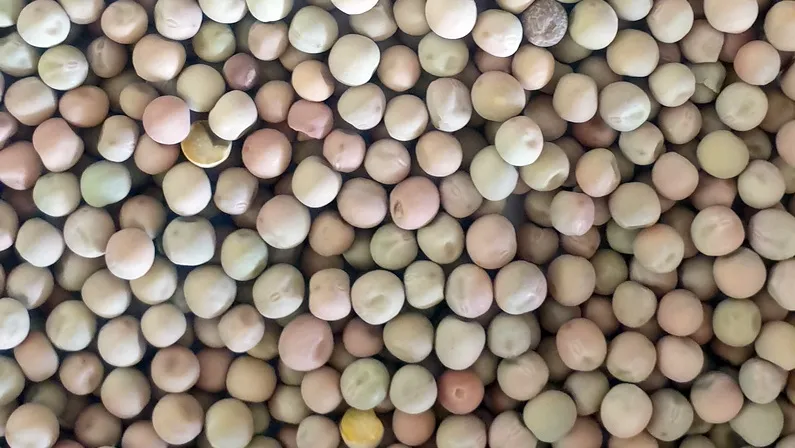
Field Peas account for the majority of pulse crop production in the Esperance Port Zone (EPZ), as they are suitable for growing in loamy sand to clay soil types.
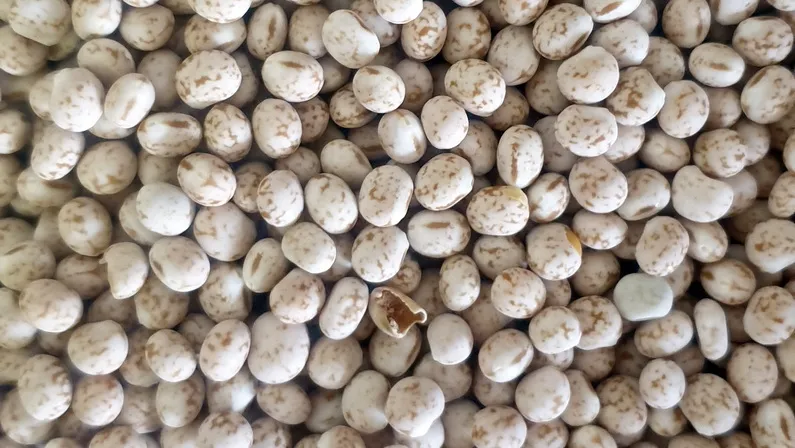
Kapsa dun type peas are mainly grown; they have a round seed with few small dimples and a light brown – red seed coat. The newer varieties are robust providing a good weed control package, however due to their lower value their plantings are reducing in the Zone. Field peas are suitable for both human and animal consumption.
Lentils
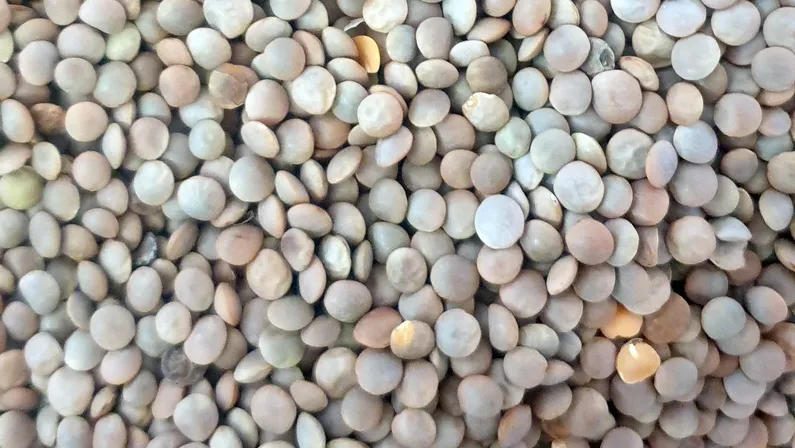
Lentils are one of the oldest domesticated pulse crops and has been a staple food since the beginning of agriculture. They are now the second biggest pulse variety grown in the Esperance Port Zone (EPZ).
Lentils are suited to loam to clay soils with a pH of 5.2 – 9, and new breeding lines have made them moderately resistant to disease. Red Lentils are most commonly grown in the EPZ.
Chickpeas
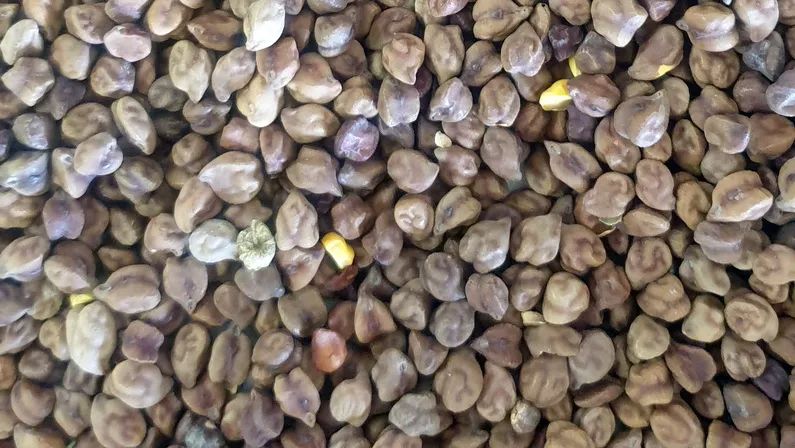
Chickpea planting in the Esperance Port Zone (EPZ) are low but are still a contributing factor to the pulse crop plantings in the EPZ. There are two groups of Chickpeas – Desi and Kabuli, which have different growth and market requirements.
Chickpeas are best suited to sandy loam to clay soils with a pH 5.2 – 9. Chickpeas have a low tolerance to cold conditions, and weed control options are improving.
Faba beans
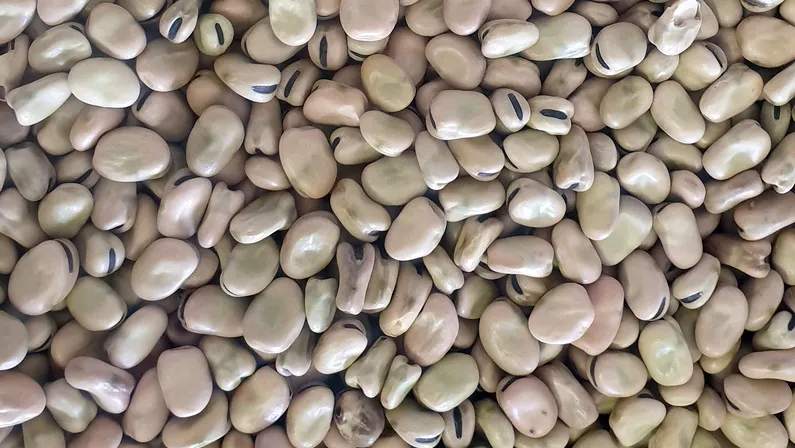
Faba Beans are often grown in the EPZ, mainly for a disease and weed break to the cereal program. Faba Beans are able to be sown early and can be harvested using existing machinery.
Faba Beans are mainly used for stock feed and can be grown on a loam to clay soil types with a pH of 5.2 – 9 across the Zone.
Vetch

Lupins
Western Australia is the nations’ biggest producer and exporter of Lupins. There are two different types of Lupins grown in Australia; with the Narrow Leaf Lupin the most common.
Lupins are suited to acid and sandy soils which are widespread across WA’s growing region.